Plex2Shell: how four Plex flaws add up to a 9.8
CISA added the four Plex Media Server flaws chained in Plex2Shell to its KEV catalog. Each is rated medium to high alone; together they give unauthenticated remote code execution.
On October 20, CISA added four Plex Media Server flaws to its Known Exploited Vulnerabilities (KEV) catalog: CVE-2026-96652, CVE-2026-96654, CVE-2026-96655 and CVE-2026-96656.³ Together they form Plex2Shell, a chain that researcher Zach Main rates 9.8 on CVSS and that takes an attacker from the internet to code execution on the server with no authentication.¹ Taken one by one, the flaws are rated medium to high severity: 5.3, 5.3, 6.9 and 8.6 on CVSS.²⁵
The fix has been available since August 4, in version 1.43.3.10861.² Earlier servers remain vulnerable.
The chain, step by step
Main describes five stages, each resting on an assumption of trust that doesn't hold up.¹
- Unauthenticated SSRF in
/player/timeline. The token check only tests whether theX-Plex-Tokenparameter exists, not whether it's valid. An unvalidatedprotocolvalue in a subscription's callback URL makes the server send a blind POST to its own loopback address. - Pivot to
/system/agents/*. This API family skips token checks on loopback. An@lockdecorator discards the value returned by the inner check, so the identifier guard inagentservice.pydoesn't stop the call tosearchOne. The identifier also goes into the URL unencoded, so characters like?and#can alter the request. - Owner token theft. The plugin framework attaches the owner's token to any outbound request whose URL starts with
http://127.0.0.1. The comparison is a plain prefix match, and a lookalike hostname satisfies it. The target is the TheTVDB agent'sGetResultFromNetworkfunction. - Payload delivery. With the token, the attacker sets the
TranscoderH264Optionspreference through/:/prefs. It passes thedump-yuvoption to x264, which writes decoded frames to a path of the attacker's choice inside the codecs directory. A request to the/video/:/transcode/universalendpoint then makes the server fetch and transcode an attacker-hosted video whose first frame carries a.solibrary, byte for byte. - Execution. On the next transcode, the bundled
libavutil.so.58callsdlopenon every.sofile in that directory, without validating name or signature. A constructor in the written file runs as theplexuser.
Why the sum exceeds any part
BleepingComputer describes the four CVEs as an unauthenticated SSRF in /player/timeline, a URL injection in searchOne, an authenticated SSRF in the transcoder endpoint, and an arbitrary file write in the transcoder settings, the last of which requires an administrator account.² Alone, the last three need access the attacker doesn't have. The first opens the door, and the rest of the chain manufactures what's missing: loopback traffic needs no token, the owner's token leaks through a string prefix, and the written file becomes code.
Two design decisions show up repeatedly. Traffic from 127.0.0.1 is treated as trusted, even though an SSRF makes any request look local. And a URL is accepted because it begins with certain text, even though the start of a string doesn't say who the recipient is.
Timeline and exploitation
Main reported the flaws to Plex on July 27. The company acknowledged them and paid a bounty on August 4, CVEs were assigned on September 23, and the technical write-up was published on October 16.¹ Field Effect says the proof-of-concept exploit went up on GitHub alongside the write-up.⁵
The first attacks seen in the wild date from October 17. The operator of a honeypot running a vulnerable Plex version logged exploitation that morning and, later the same day, downloads of the XMRig miner and a proxy tool.⁴ Field Effect reports the same payload profile: cryptocurrency miners and proxy malware.⁵
CISA's catalog lists all four flaws as added on October 20. Deadlines differ: October 23 for CVE-2026-96654 and CVE-2026-96656, and November 3 for CVE-2026-96652 and CVE-2026-96655.³ BleepingComputer, which published on October 21, cites the October 23 deadline for federal agencies.²
Home servers and manual updates
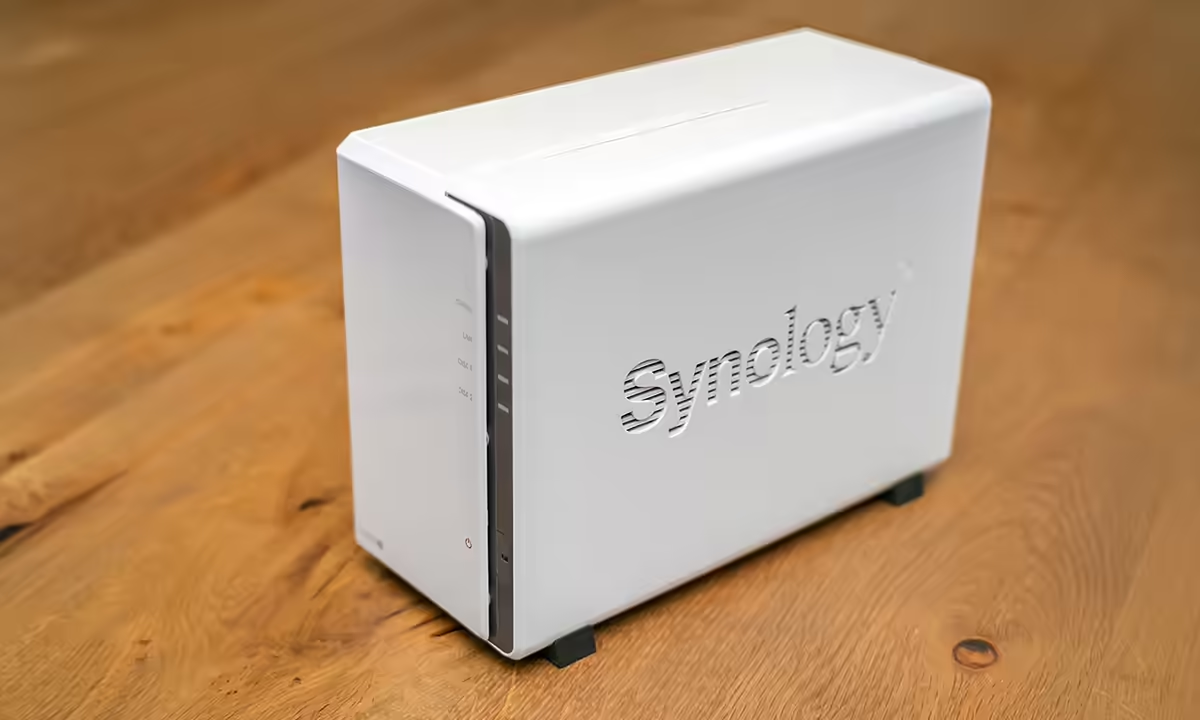
The Shadowserver Foundation counted more than 36,000 unpatched Plex Media Server instances reachable from the internet in early September.⁵ Field Effect recommends checking the installed version in Plex's management interface, especially on NAS boxes and other devices that don't update themselves, and inventorying every server, VM and remote environment.⁵
Anyone who was exposed on a vulnerable version needs to do more than update. Field Effect lists unexpected files in the codecs directory, new processes launched by the Plex service, sustained high CPU use and unusual outbound connections as signs of compromise, and notes that a server can stay compromised after patching if attackers got there first. For machines that were exposed while running a vulnerable version, it recommends a forensic review.⁵
Sources
- Plex2Shell · Zach Main · zmain.info · https://zmain.info/blog/plex2shell · Oct. 2026
- CISA: Hackers chain Plex flaws in Plex2Shell attacks to breach servers · Bill Toulas · BleepingComputer · https://bleepingcomputer.com/news/security/cisa-hackers-chain-plex-flaws-in-plex2shell-attacks-to-breach-servers · Oct. 21, 2026
Show 3 more sourcesHide sources
- Known Exploited Vulnerabilities Catalog · CISA · https://www.cisa.gov/known-exploited-vulnerabilities-catalog · accessed Oct. 29, 2026
- Plex vulnerabilities being exploited in the wild · Bored Hacker Blog · http://www.boredhackerblog.info/2026/10/plex-vulnerabilities-being-exploited-in.html · Oct. 17, 2026
- Active exploitation of Plex2Shell vulnerabilities · Field Effect · https://fieldeffect.com/blog/active-exploitation-plex2shell-vulnerabilities · Oct. 2026